
Falls represent a major public health challenge, costing the NHS over £4.4 billion annually. One in three people aged 65 and over fall each year.
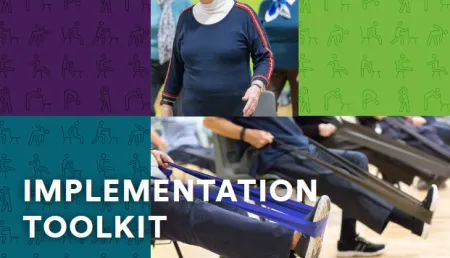
ARC East Midlands research demonstrated that FaME can be implemented effectively at scale in community settings, achieving results comparable to that seen in clinical trials. This evidence-led approach resulted in the FaME implementation toolkit, now a trusted resource for commissioners and providers scaling strength and balance programmes nationally.
The FLEXI study, launched in 2021, brings together ARCs East Midlands, Greater Manchester and PenARC with local health partners to scale and embed FaME.
Key impacts:
- Enhanced physical function, balance confidence, and overall quality of life.
- Over 10,000 participants currently benefit from FaME each week across the UK.
- For every £1 invested, FaME delivers at least a £2.40 return to society.
- Evidence shows that FaME reduces falls rates by 26% to 54%, depending on population and programme duration.
- Over 2,000 toolkit downloads, supporting national rollout and best practice.
- Endorsed by NICE, featured in the World Health Organization report, and highlighted in national policy briefing documents on reducing falls.
- FaME is now commissioned by Leicester, Leicestershire and Rutland ICB, where more than 3,200 people have taken part, delivering an estimated £1.7 million societal return.
- In Devon, programmes have tripled, and a Plymouth evaluation showed an 88% reduction in falls.
The FaME programme, hosted by Later Life Training as the national provider and trainer, is a vital resource for improving the health and well-being of older adults, demonstrating significant societal and economic benefits.
To download the toolkit, click here.